About

Who we are

Scotia Lapidary was founded by Dennis Williamson (McGillivray) to showcase hand-cut gemstones, cut in Scotland from facet grade rough ethically sourced from artisanal miners around the world.

Dennis has an obsessive passion for detail, beginning with the careful selection and evaluation of rough gem crystals. Each stone is assessed meticulously before cutting, ensuring only the highest quality material is used.

Each stone has natural inclusions as the crystal was formed, that show the unique beauty of the crystal. Just like the unique beauty and inclusions in each and every one of us.

Ethically sourced British-made lab-created sapphire made by Salford Electronic Instruments in 1951 can be upcycled to produce outstanding lab-created gemstones too.

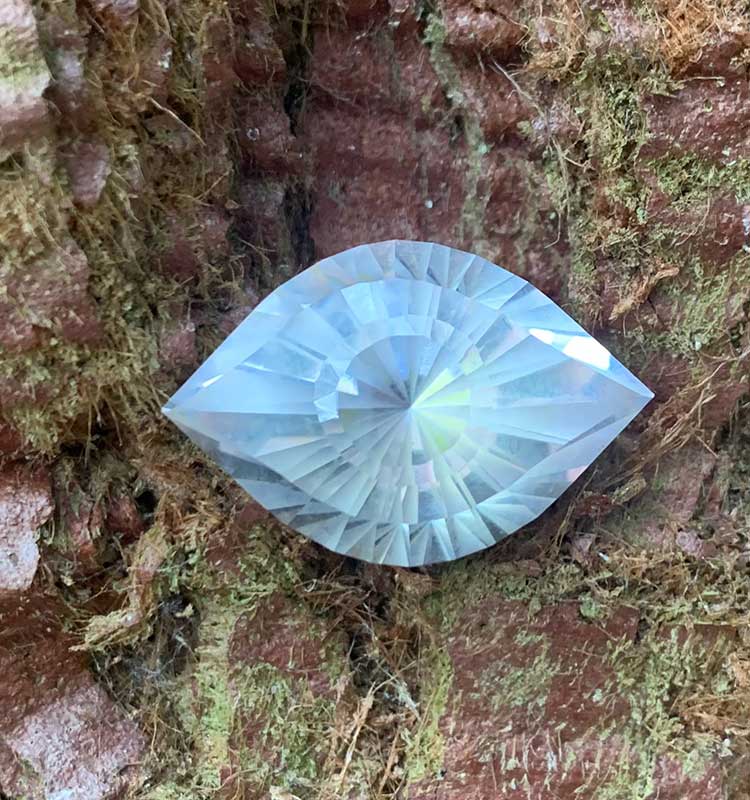
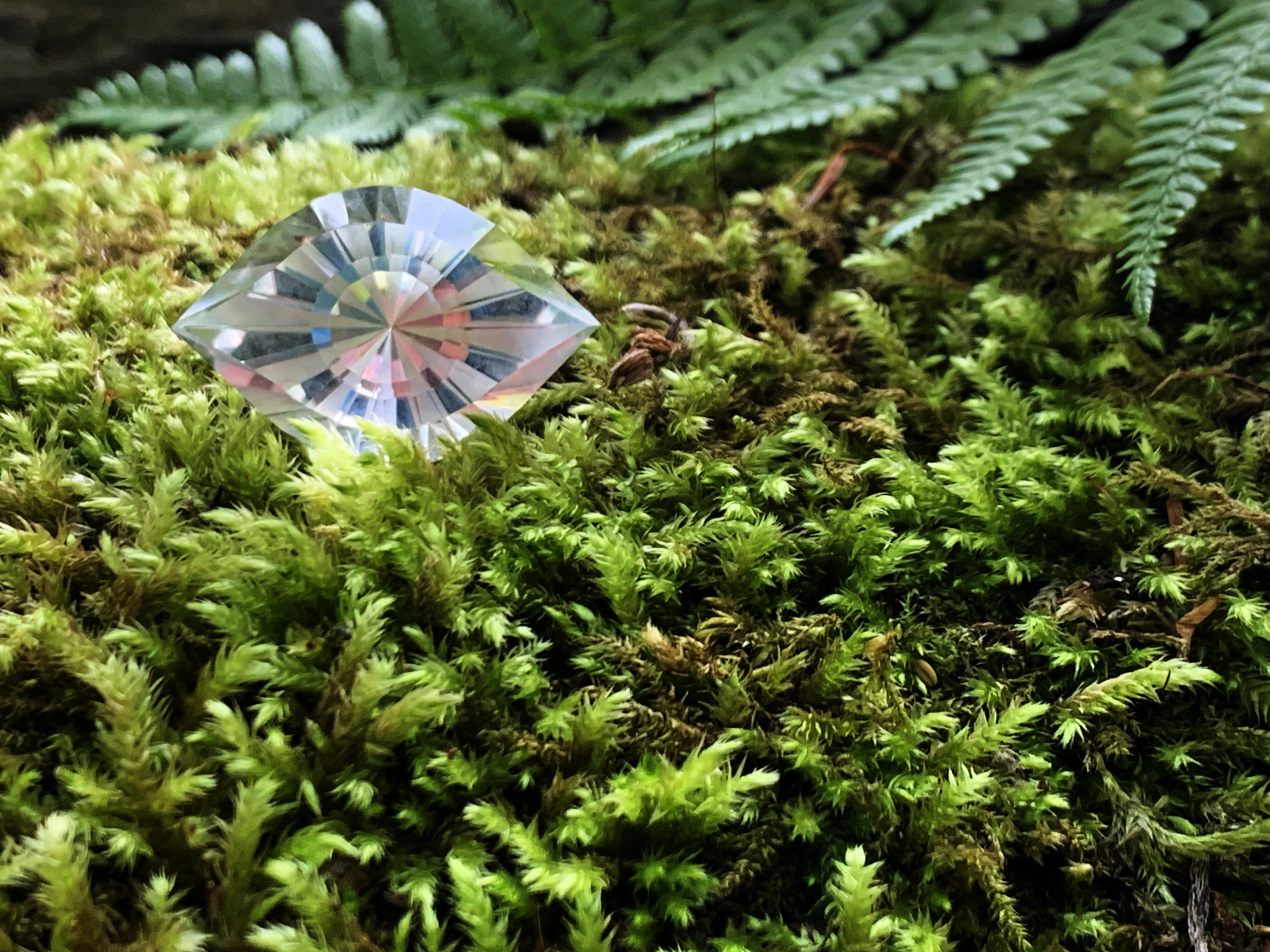
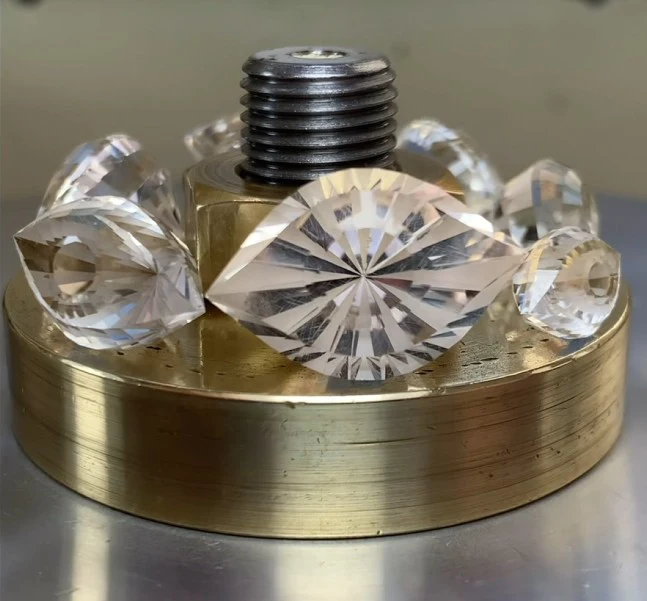
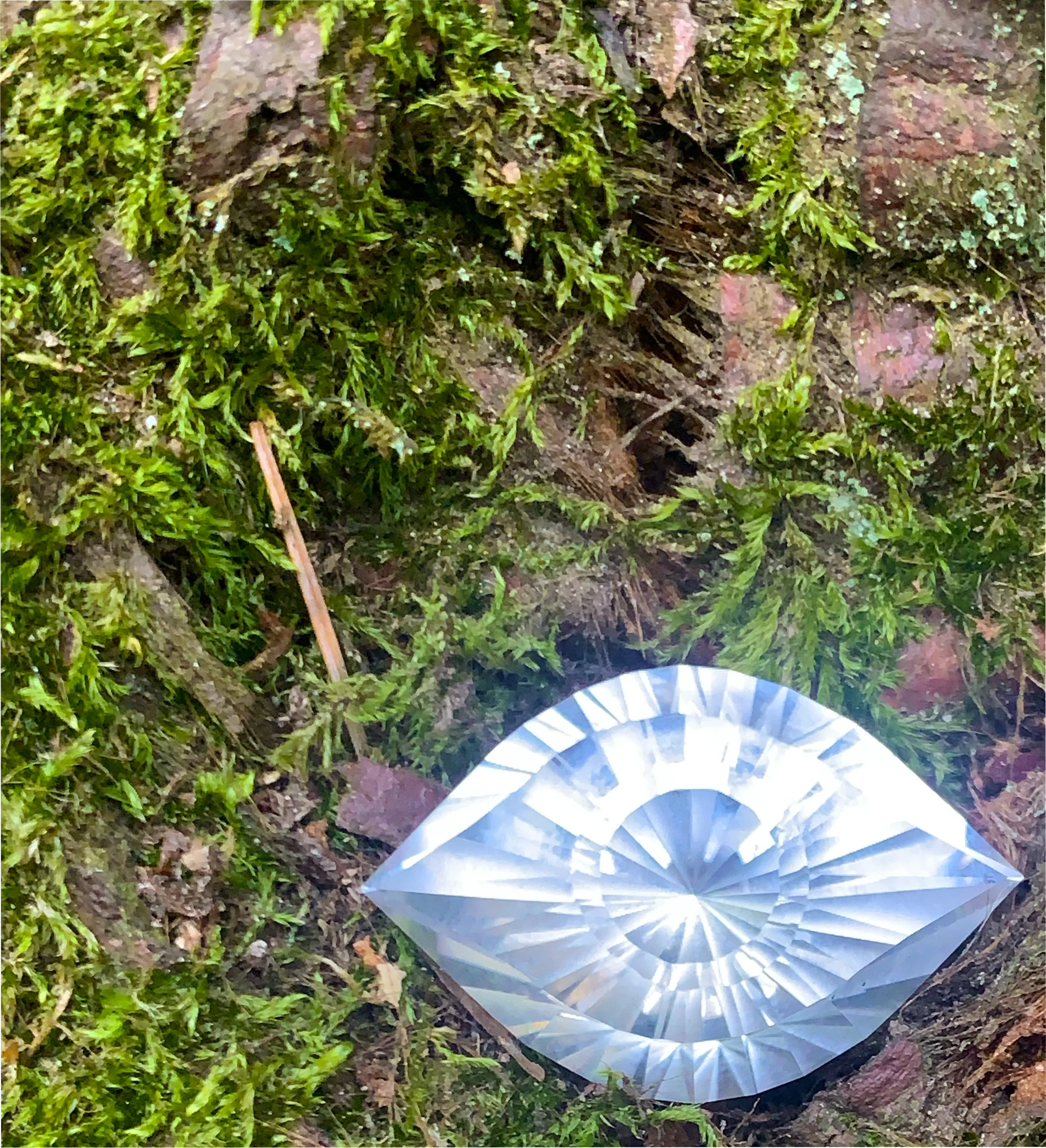
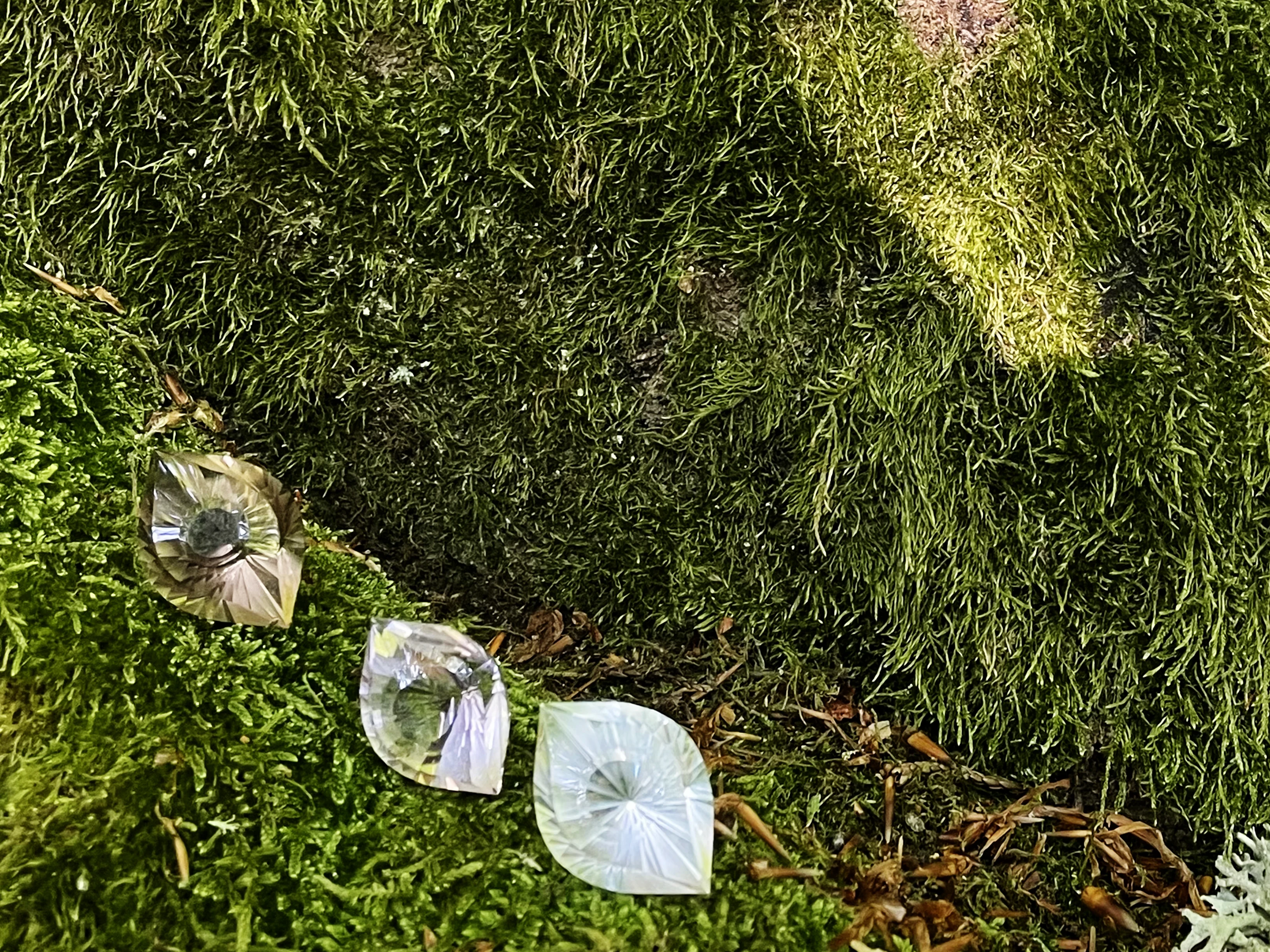
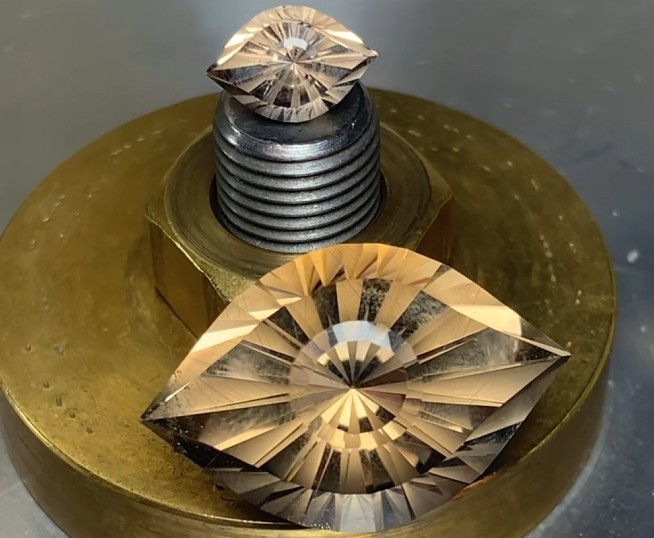
One of his signature styles—the "eye design"—features 145 individual facets, each hand-cut and polished multiple times. The process involves several stages: initial shaping with diamond-impregnated sintered laps each with a finer diamond size than the last, followed by pre-polishing on a soft alloy lap, and finishing with a final polish using ultra-fine 0.25-micron diamond paste.

This intense focus results in over 500 individual cutting and polishing stages—all done entirely by hand and eye.

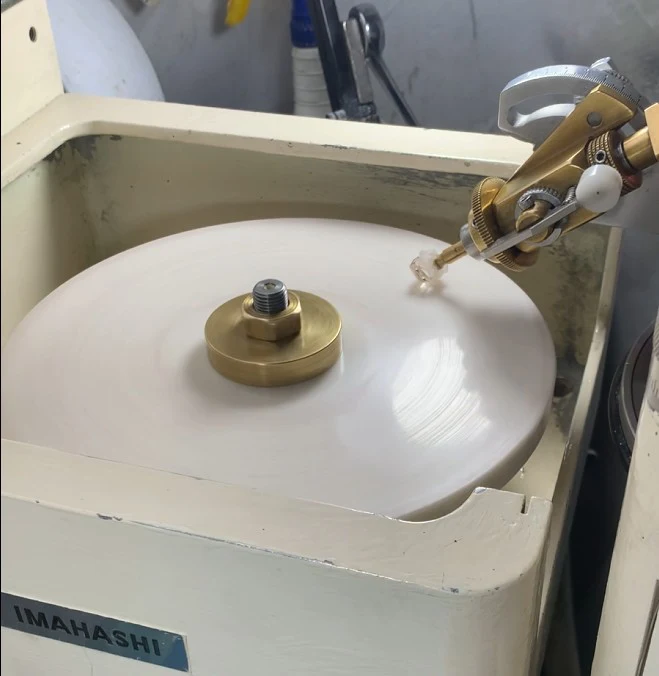
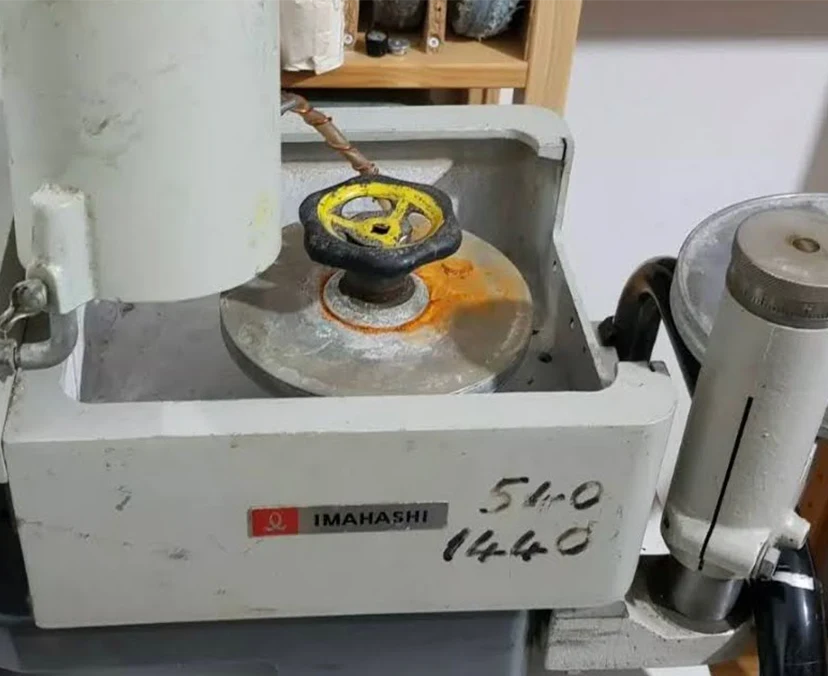
Dennis also restores and uses traditional faceting equipment. His primary machine is a 1972 Imahashi commercial gem-cutting machine, which he fully restored. With it, he continues to cut gems using traditional methods and hand skills—many of which are at risk of being lost in today’s modern, mass-produced world.

In addition to his lapidary work, Dennis is a college lecturer and also teaches gem cutting at jewellery schools, artist studios, and universities. His teaching helps preserve and pass on traditional gem-cutting techniques that largely disappeared in Scotland since the Victorian era.

His teaching helps preserve and pass on traditional gem-cutting techniques that largely disappeared in Scotland since the Victorian era.

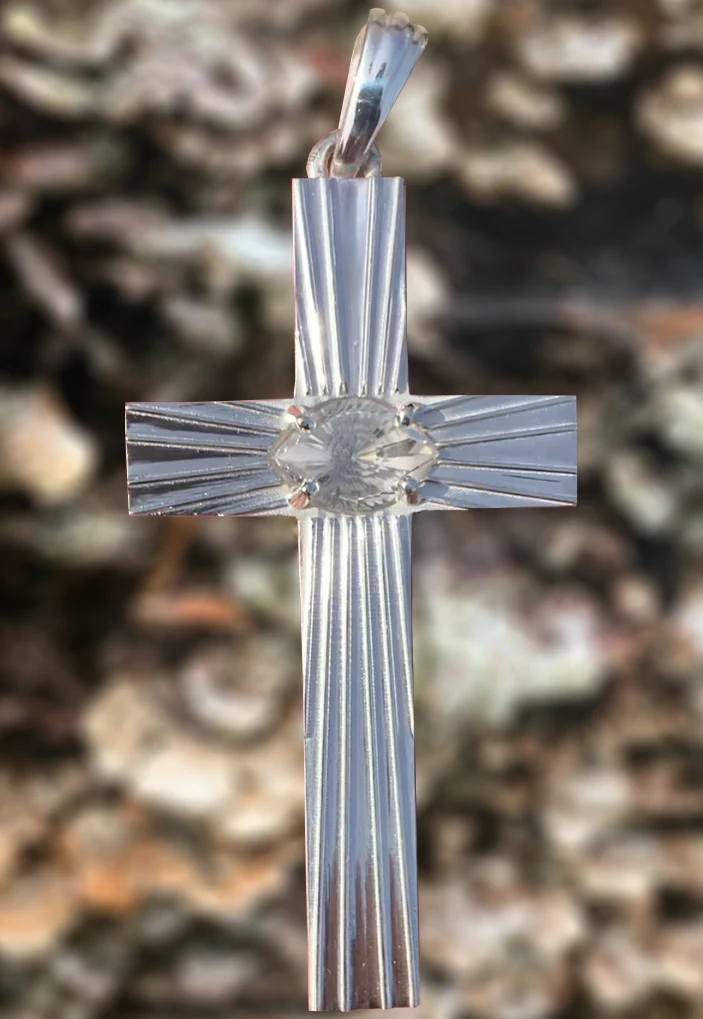
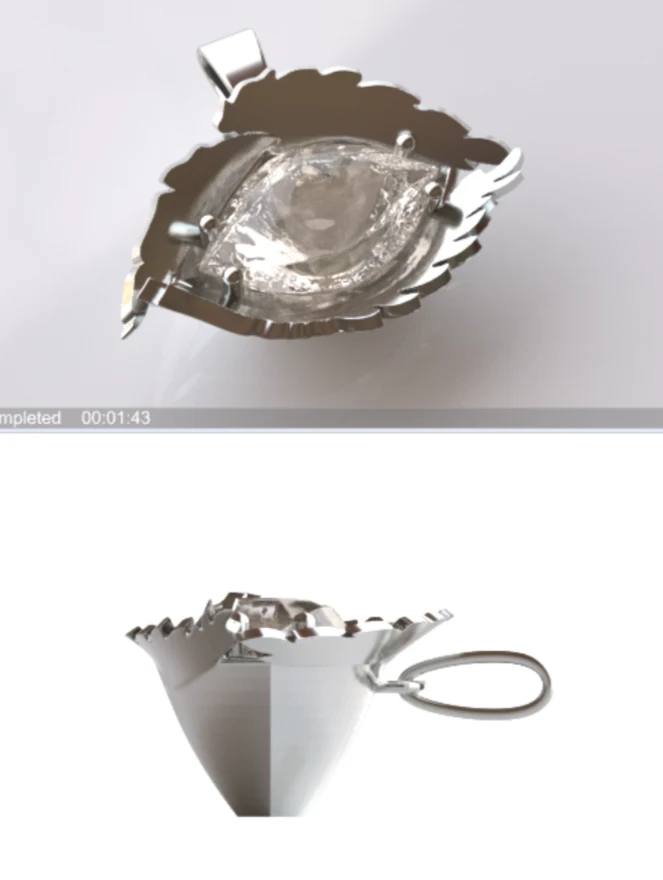
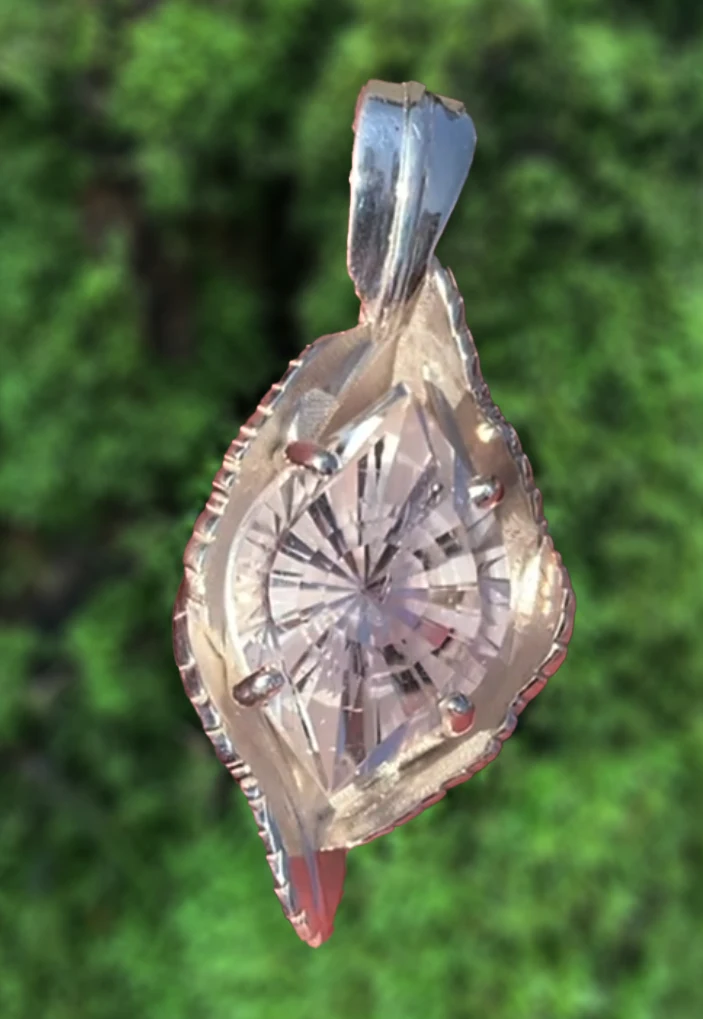
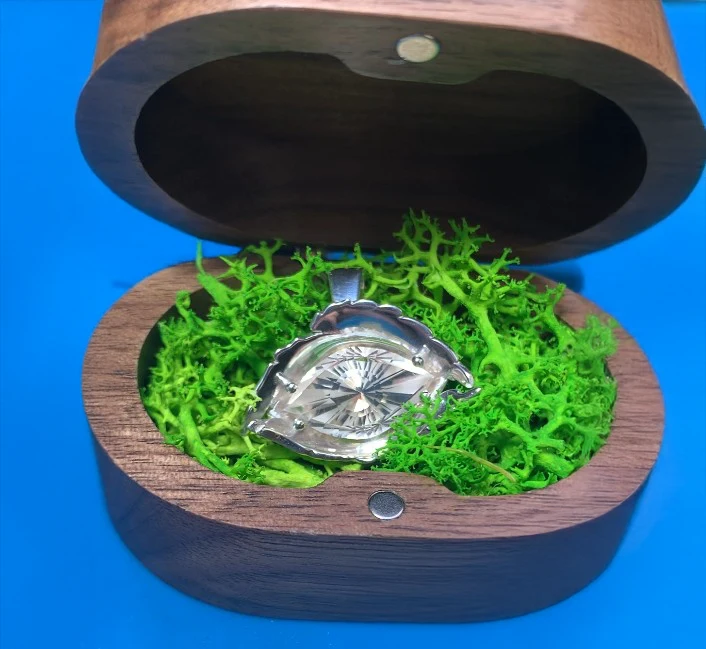
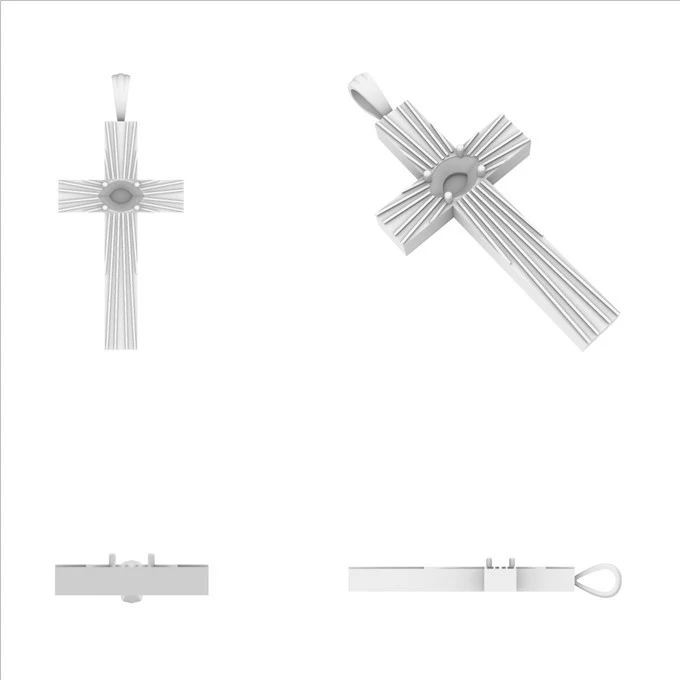
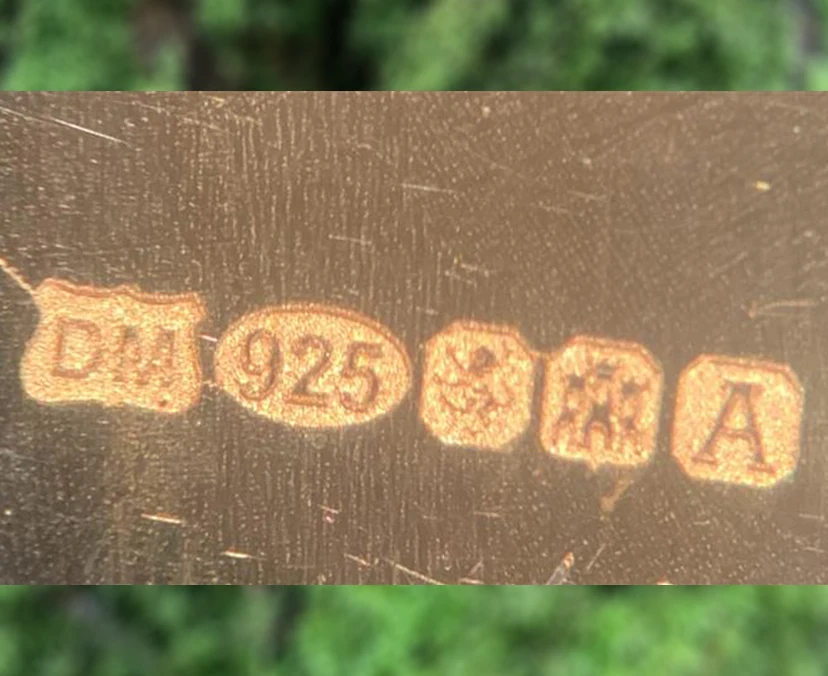
As Scotia Lapidary evolved, Dennis began designing, manufacturing, and hallmarking a line of jewellery centred around his signature "eye" gem cut. Every step of the process takes place in Scotland, ensuring local craftsmanship and authenticity.

With this growing collection, Scotia Lapidary is becoming a unique destination for truly special, handcrafted jewellery—pieces designed to be treasured forever.

portrait

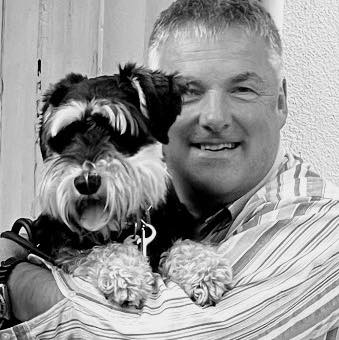
Dennis Williamson (McGillivray)

heraldic

Coat of arms Granted by the Lord Lyon of Scotland, To Dennis McGillivray.

eye

One of signature styles—the "eye design"

singer

1972 Imahashi commercial gem-cutting machine

Ready to give your stone a voice?

Let’s create something timeless together.

Portfolio

What we've done

  • All
  • Whispering Stones
  • Jewels in Bloom
  • Sketches of the Soul

App 1

Lorem ipsum, dolor sit

Product 1

Lorem ipsum, dolor sit

Branding 1

Lorem ipsum, dolor sit

App 2

Lorem ipsum, dolor sit

Product 2

Lorem ipsum, dolor sit

Branding 2

Lorem ipsum, dolor sit

App 3

Lorem ipsum, dolor sit

Product 3

Lorem ipsum, dolor sit

Branding 3

Lorem ipsum, dolor sit

Product 3

Lorem ipsum, dolor sit

Recent Posts

Recent Blog Posts

The Process in Gem Cutting

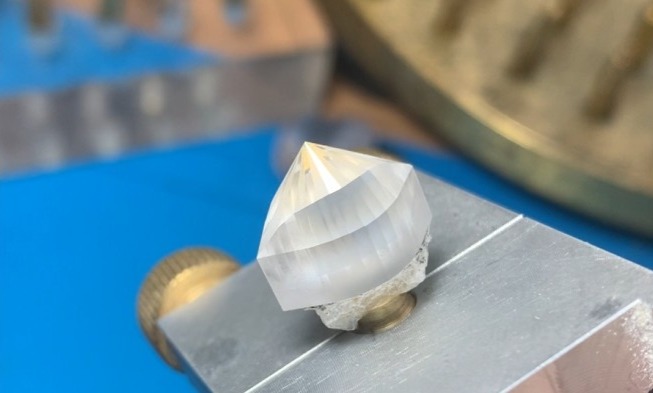
The process begins with selecting a suitable piece of faceting rough. The chosen rough is secured onto a brass dop using wax or CA adhesive. This dop is then inserted into a handpiece, which ensures precise control of the stone’s angle and position during the cutting and polishing phases. The lap is the flat, spinning disc placed on the faceting machine — is used in both the cutting and polishing stages.

The Eye cut

Dennis has a deep fascination with the “Eye” gemstone cut—a design originally created by the late Bob Kellor, who named it “Cleopatra’s Eye.” Dennis’s version is a refined adaptation of Kellor’s original, which has been tailored and changed for hand-faceting methods that rely more on visual intuition and tactile feedback than on machine-calibrated angles and gauges.

Hallmarking

A hallmark applied by a UK Assay Office is not proof of origin or place of manufacture of an item. The hallmark of a UK Assay Office (whether applied by a UK Assay Office in its approved locations in or outside the UK) is proof that an item (in all its parts) is of the standard of fineness indicated by the hallmark struck on that item.

The restoration journey

I have a deep passion for restoring old, neglected machinery. There’s something profoundly satisfying about breathing new life into equipment crafted with the care and precision of a bygone era—especially when it’s destined to create something beautiful and enduring once more.

lab-grown gemstones

At the heart of our jewellery lies a commitment to authenticity and sustainability. We use 100% natural, artisanal, ethically sourced gemstone rough, which is meticulously cut right here in Scotland. In recent years, lab-grown gemstones have gained popularity, often marketed as a more sustainable, ethical, and cost-effective alternative to natural stones. However, when examined more closely, the "green" image surrounding lab-created gems begins to show its flaws.

Rowan desighn

This first jewellery design—one of many to come—is a tribute to the spirit of nature: a unified, living orchestra that surrounds us and of which we are an inseparable part. It represents our collective creator, peering through the leaves of the Rowan tree. As we gaze into the gemstone, our reflection appears—we become the "little person in the stone." In that moment, a quiet union forms between ourselves and the soul of the natural world.

Contact

Contact Us

Address

A108 Adam Street, New York, NY 535022

Call Us

+1 5589 55488 55

Email Us

info@example.com

Loading
Your message has been sent. Thank you!